

Written by Rishika Rastogi
For the first couple of weeks, I ate dinner in my room.
Not because I wanted to. The shared kitchen was right there, warm and loud. And full of people who all seemed to already know each other. But walking in alone, cooking a sad bowl of pasta while strangers laughed about things I wasn’t part of, felt harder than just taking my plate upstairs and eating in front of my laptop. So that’s what I did. Every night. Telling myself I’d be more sociable tomorrow, when I felt less tired, less new, less like the only person in the entire building who hadn’t found her people yet.
If you’re about to move to a place where you know no one, please read this. Because that lonely fortnight was, it turns out, completely unnecessary. I just didn’t know it yet.
Be the one who talks first. Take your dinner to the kitchen. Say yes to the trip you’re too tired for.
Nobody has it figured out in week one
Here’s the lie your brain tells you in the first week: everyone else has already sorted themselves into friendship groups, and you’ve missed it. You walk past the common room, see a table of people cackling over something, and quietly conclude that the social map of the building was drawn on day one and you weren’t on it.
This is nonsense, and I can prove it. Every single person at that table arrived exactly as alone as you did. Maybe a week earlier, maybe a day later, but every one of them had their own version of the sad-pasta-in-the-room phase. The girl who became one of my closest friends told me, months later, that she’d assumed I already had a friend group and was too cool to talk to her. I was eating dinner alone in my room at the time. That’s how badly we both read the situation.
Nobody has it figured out in week one. They’re all just as unsure as you are, hoping someone else makes the first move so they don’t have to.
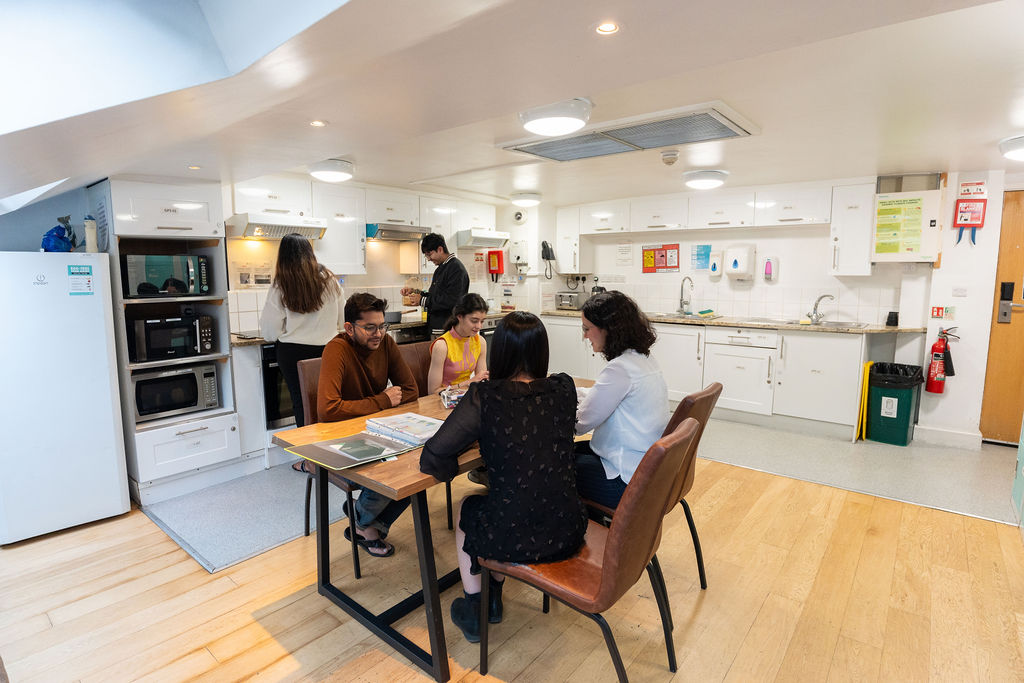
It starts wherever the kettle is
Friendships in a new city almost never begin with a grand gesture. They begin with proximity and repetition, with bumping into the same faces enough times that saying nothing starts to feel weirder than saying hello. And in a building full of international students, the great equaliser is the kitchen.
My first real conversation happened because someone was cooking something that smelled unbelievable and emboldened by hunger, I actually asked what it was. That was it. That was the whole beginning. Ten minutes later, I had a recipe I’ll never make correctly and a person who waved at me in the corridor the next day. The floor dinners helped too, the kind where everyone’s told to just show up, which quietly does the terrifying first-move part for you. You don’t have to be brave. You just have to turn up to the thing and let being in the same room do the work.
The lesson I wish I’d learned faster: stop eating in your room. Take the pasta to the kitchen. Even if you say nothing the first three times, you’re becoming a familiar face, and familiar faces become friends far more easily than strangers do.
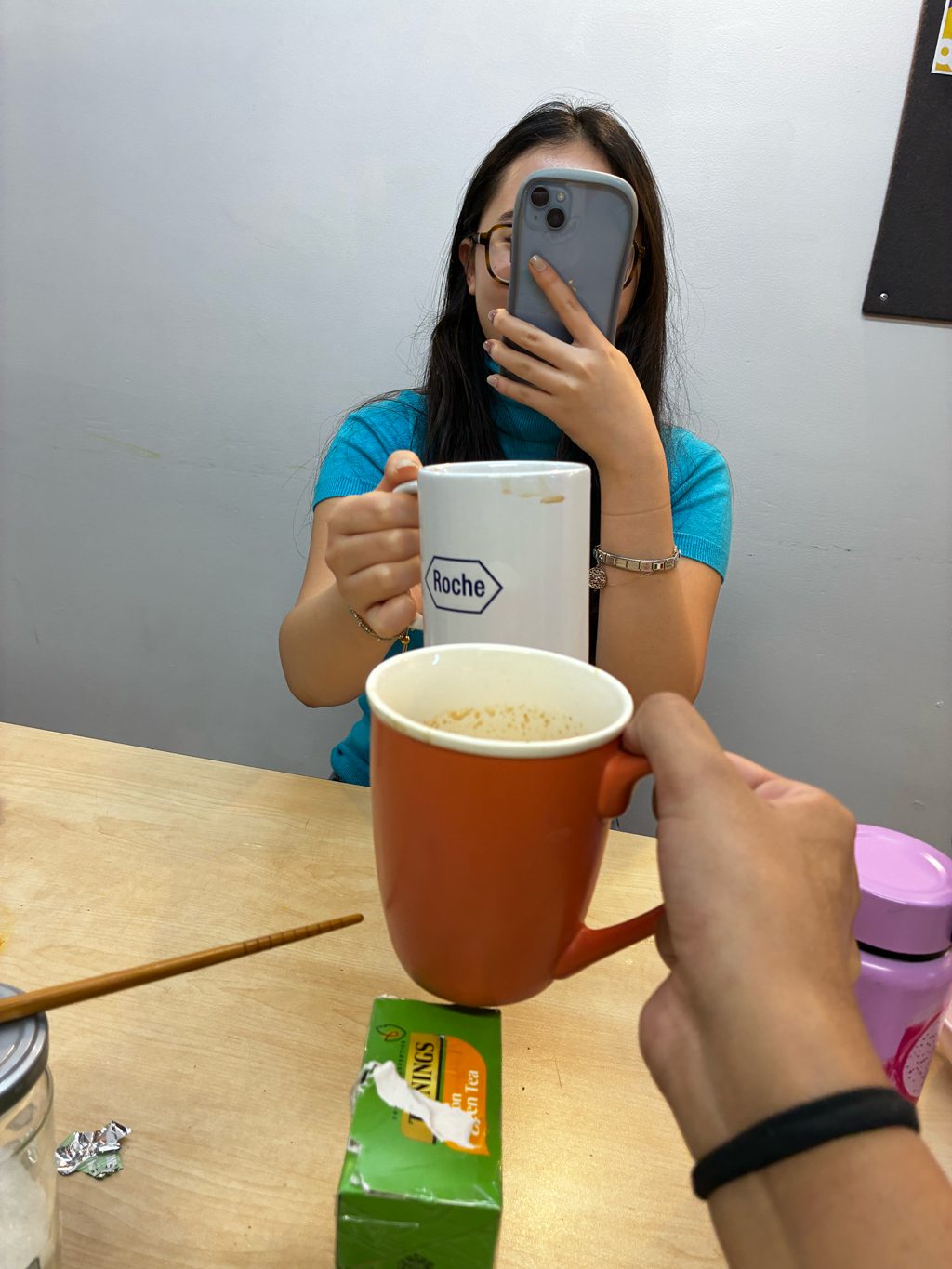
You have to say yes (even when you’d rather not)
This is the unglamorous bit nobody likes to hear. Making friends as an adult, in a new country, takes a slightly annoying amount of effort, and most of that effort is just saying yes to things when every instinct is telling you to stay in and rest.
There was a trip to Chinatown early on that I almost skipped. I was tired, it was cold, I didn’t really know the people going, and my room was warm. I went anyway, mostly out of guilt. That night, wandering under the lanterns eating something fried and eating far too much of it, is when a loose group of acquaintances started turning into actual friends. Nearly every close friendship I now have traces back to a “yes” I nearly didn’t say. The group dinners, nights out, the random day trips, the “we’re getting food, come” texts. I said yes when I didn’t feel like it, and it worked every single time.
You don’t have to say yes to everything forever. But in the beginning, when you’re building something from nothing, say yes far more than feels natural. You can rest once you have people to rest with.

And then, one day, you have people
The strangest part is that you never notice the exact moment it happens. There’s no ceremony, no single evening where you officially become friends. It accumulates so gradually that you miss it.
Then one ordinary evening you walk into the kitchen and someone’s already saved you a seat. Or your phone buzzes with a group chat that didn’t exist two months ago, arguing about where to eat. Or you realise you haven’t cooked dinner alone in weeks, and you can’t quite remember when that stopped being a thing. For me it crept up during a completely unremarkable Tuesday, sitting on a common-room sofa surrounded by people I’d have described as strangers a month earlier, and thinking, with a small jolt, oh, these are my friends now. No one announced it. It just quietly became true.

What I’d tell you if you’re about to arrive
If you’re reading this before your own move to a student house, panicking a little about knowing no one: you will be fine, and you’ll settle in sooner than you think. Not because it’s effortless, but because you’ll be surrounded by hundreds of people in the same boat, all secretly hoping someone talks to them first. Be the one who talks first. Take your dinner to the kitchen. Say yes to the trip you’re too tired for. Assume the person who looks like they already have friends is just as nervous as you are, because they almost certainly are.
I ate dinner alone in my room for two weeks. I haven’t had to since. And honestly, of everything I was scared of before I moved, the fear of not making friends is the one that turned out to matter least.
Have you also read these articles?
What no one tells you about moving to the UK
Why the World Cup Meant More Than Just Football to ISH Resident
