Entering the workforce for the first time can feel both exciting and overwhelming. While academic knowledge provides a strong foundation, employers increasingly look beyond qualifications when selecting candidates. They are searching for valuable life skills that can improve their company culture. The ability to adapt, communicate effectively, and think critically often determines how successfully a student transitions into a professional environment.
Developing a well-rounded skill set not only improves employability but also builds confidence when navigating interviews, internships, and early career opportunities. Below are seven essential skills every student should focus on before stepping into the workplace.
1. Critical Thinking and Problem-Solving
Critical thinking enables individuals to analyse situations objectively, evaluate different perspectives, and make informed decisions. In a professional setting, this skill supports effective problem-solving, allowing challenges to be approached logically and efficiently. Employers value individuals who can assess information, identify solutions, and take initiative when faced with complex tasks.

2. Digital Literacy
In today’s fast-paced, technology-driven world, digital skills are no longer optional. A working knowledge of tools such as data analytics platforms, content management systems, and social media channels is highly beneficial across industries. Understanding areas like SEO, digital marketing, and online communication equips students with the ability to contribute meaningfully in modern workplaces.
3. Communication Skills
Strong communication is at the core of every successful professional environment. More than just speaking clearly; it includes active listening, written communication, and the ability to adapt messaging for different audiences. Whether contributing to meetings, presenting ideas, or collaborating with colleagues, effective communication ensures clarity and builds trust.
4. Teamwork and Collaboration
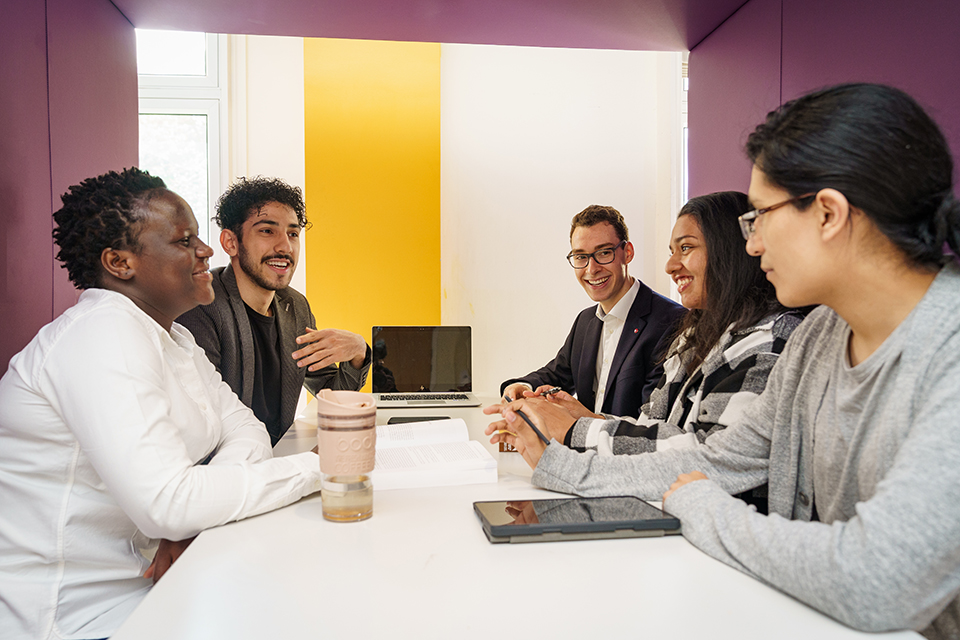
Most roles require working with others, often across departments or even time zones. Being able to collaborate, share ideas, and support team members is essential. Strong teamwork skills help create productive working relationships and contribute to a positive workplace culture, where collective goals are prioritised over individual success.
5. Adaptability and Resilience
The modern workplace is constantly evolving, with new technologies, processes, and challenges emerging regularly. Adaptability allows individuals to remain flexible and open to change, while resilience helps them navigate setbacks and maintain focus. Employers look for candidates who can respond positively to change and continue to perform under pressure.
6. Negotiation and Influencing
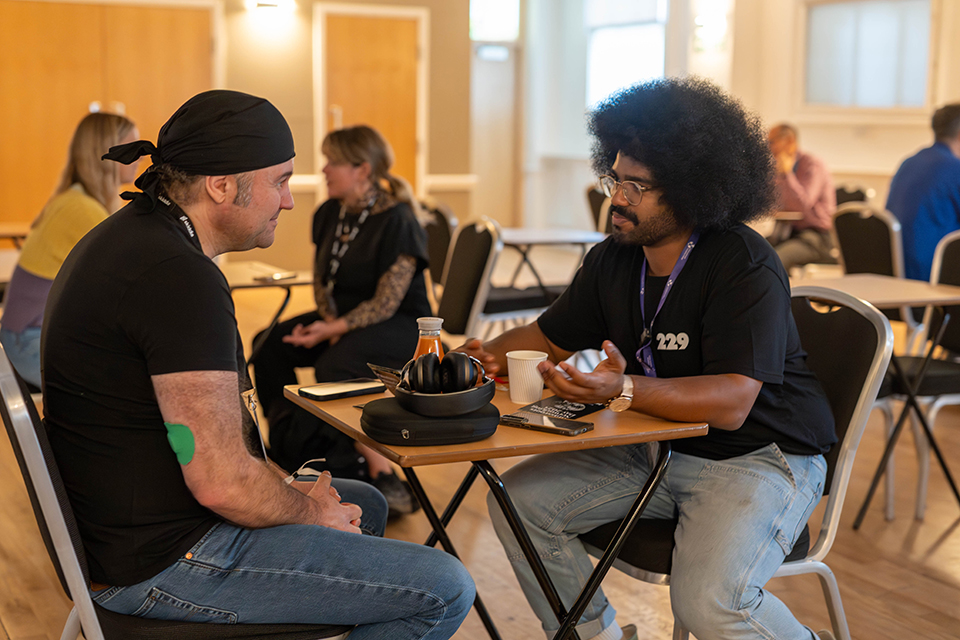
Negotiation is a valuable skill that extends beyond formal business deals. It involves expressing ideas confidently, finding common ground, and working towards mutually beneficial outcomes. Whether discussing project deadlines, responsibilities, or ideas in meetings, the ability to influence and negotiate effectively is a key professional asset.
7. Emotional Intelligence
Emotional intelligence (EQ) refers to the ability to understand and manage one’s own emotions, as well as recognise and respond to the emotions of others. This skill plays a crucial role in teamwork, leadership, and conflict resolution. Individuals with strong emotional intelligence are often better at building relationships, handling feedback, and contributing to a supportive work environment.
Success in the workplace is not defined by academic achievements alone. It is shaped by a combination of technical knowledge and interpersonal skills that enable individuals to adapt, collaborate, and grow. By developing these seven essential skills, students can position themselves as confident, capable candidates ready to make a meaningful impact in their chosen careers.
Have you also read these articles?
London Life Essentials: Summer Job
